

What's next?
Finding a way forward in Minnesota might provide a playbook for America

Hi Friends,
With the announcement this week that Operation Metro Surge is coming to a close, Minnesotans await what this next chapter holds for us. What’s happened here might slip from national headlines, but the impact of the ICE raids on our state, and our country’s democratic norms, will continue.
Over 4,000 people were arrested during the surge. Minneapolis estimates businesses lost $203 million through the end of January, and one in five residents need food assistance. A survey of 90 Latino-owned businesses estimates a third have shut down. Home sales in the Twin Cities dropped nearly 20% last month. 14 federal prosecutors resigned from the US Attorney’s office, and two journalists were arrested.
Worst of all, two people — Renee Good and Alex Pretti — were killed by ICE agents.
The collective impact from all of these tragedies combined are deep questions about our democracy and rule of law — and our trust in the federal government. The bloody spectacle in our streets drew global attention because it often didn’t feel like America.
To rebuild, as our Minnesota Star Tribune Editorial Board wrote, our nation needs transparency into what took place here, an investigation into the homicides of the two victims, and a serious reckoning with the structure and practices of ICE, the agency at the center of the crisis.
Trust in government — already fragile — has been further eroded. But trust can and must be rebuilt... Minnesotans should not cease demanding truth, accountability and reckoning equal to the damage done and lives lost by an ICE surge that never needed to happen.
— Minnesota Star Tribune Editorial Board
Sometimes a community breaks, but heals back stronger. Minnesota — and America’s — ability to do that will be the topic of many discussions moving forward in our state and country.
Minnesota Pride — and a playbook?
If what happened at the hands of ICE didn’t feel like America, the response of Minnesotans has felt deeply American. Since Mary and I moved our family here almost 8 years ago, I don’t think I’ve heard more people share how proud they are of our state than I have in these last few months. This crisis has often reminded me the reasons why this is a special place to live, many of which I shared in my book last year.
People in our state have also begun to write a playbook, on the fly, of how a place can respond to such a crisis:
Peaceful & organized protests where tens of thousands of people exercised their first amendment rights
A distributed leadership model that flexes to the needs of the community
Bystanders who documented every turn of this story, making it the most documented crisis in American history
A relief effort for families and businesses in need, that spanned communities across the state
A fight against misinformation and AI agents coordinating to sow confusion
A local news ecosystem that rose to the occasion to ensure fact-based reporting reached the world
A philanthropy & corporate community that responds with funds for small businesses (even while the feds pull back SBA loans for green card holders)
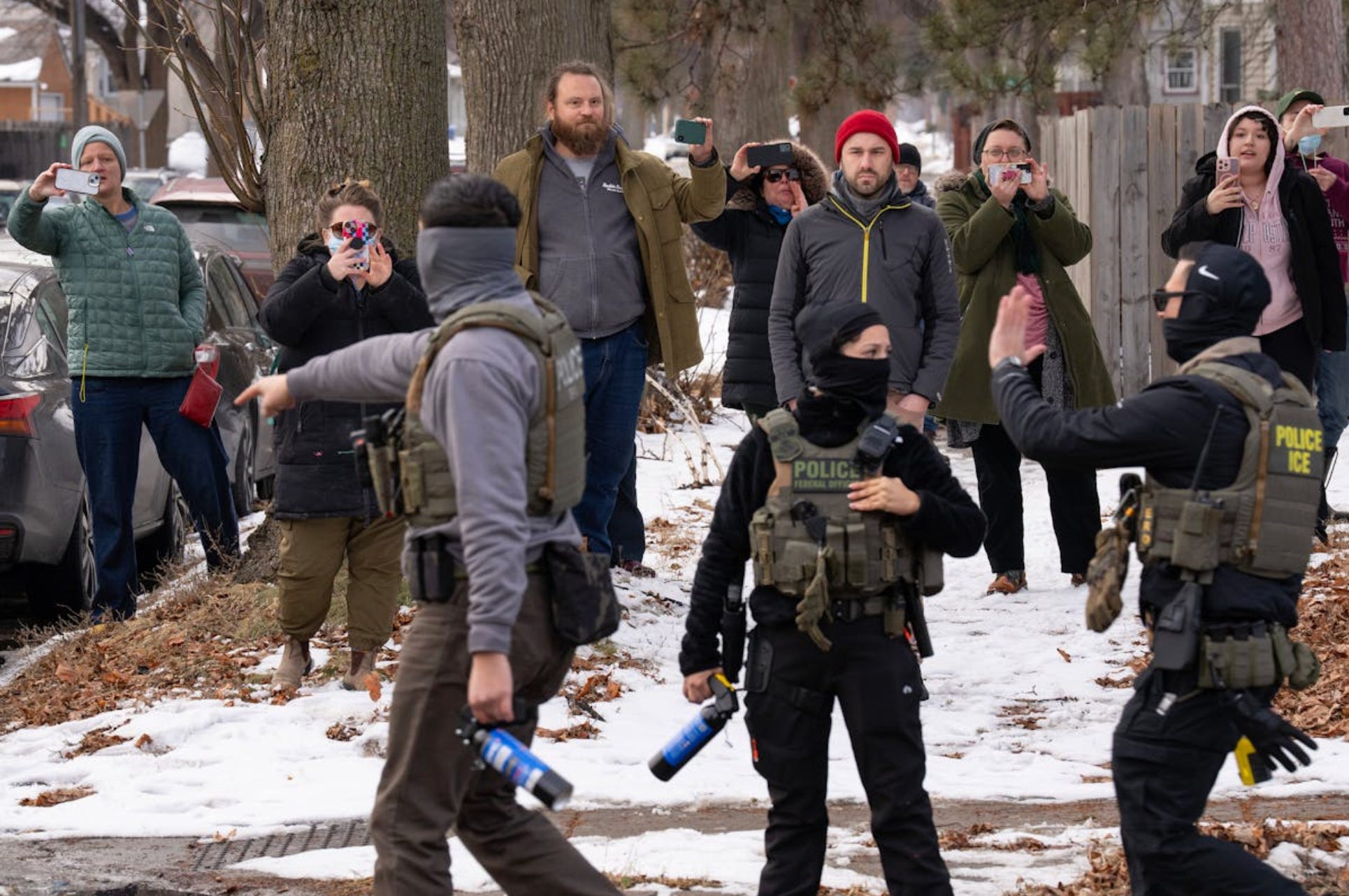
One thing I think has led to a sense of pride and connection is the shared experience we’ve had. For many communities in our state, being targeted by your government is actually not a new feeling. As this biting SNL skit from a few weeks ago reminds us, “unprecedented” is in the eyes of the beholder. But in these last two months, far more communities have the experience of feeling harassed by a government authority. Maybe that brings people closer.
There is still plenty of division in Minnesota, and people’s reactions to this crisis are far from uniform — just like opinions on the issue of immigration. But something in the water here has changed, and people looking for hope are finding it in a sense of pride that could turn into something productive.
This week, I attended the annual Explore Minnesota Tourism conference in Duluth, which was scheduled long before Operation Metro Surge began. Leaders there told me that 80% of tourism industry businesses have taken significant cancellations since the ICE raid began. But: online sentiment analysis and surveys indicate that there’s “revenge tourism” on the horizon, they shared.
I hope they’re right.
If you’ve ever thought about visiting Minnesota, now’s a great time!


A rallying cry for local news
As I wrote in a column for our pages last week, this moment has been a reminder of the power of local news in a crisis. Here at the Strib, we’ve received donations from 45 states plus Puerto Rico, ranging from $5 - $40,000. Subscription growth doubled over the last month, and donations have almost 10x’d — many coming in from out of state. As I shared in the column:
I believe that local news organizations are poised to provide the most value in times of crisis. Our journalists know our neighbors and our neighborhoods. They know our leaders and organizers. They understand our history. The depth of familiarity and local nuance they bring to breaking and quickly evolving news is unrivaled. It’s been heartening to see so many national outlets praise the work of local media during their time in Minnesota.
To the many people getting this newsletter who aren’t from Minnesota - THANK YOU for thinking of us, it means a lot.
Juxtaposed to this local news rallying cry, we saw the Washington Post lay off 300 journalists last week, a majority of them in local roles. I found it both shocking and not surprising at all. We face the same headwinds as the WaPo does, and the entire industry faces a similar fate if we don’t find new models to pay for strong local reporting, which is the journey we’re on at the Strib.
A new effort to fight fake news
Though we hadn’t planned to do it so quickly, our plans to launch a news literacy effort at the Strib went into overdrive this month as misinformation has run rampant around this crisis. The incident I shared with you about being mistaken for the ICE shooter of Renee Good is just one small example of the challenges we face.
Our team saw the moment and launched a News Literacy Initiative focused on helping high school students sharpen their news-reading habits. Nearly 80% of high school students say they see conspiracy theories online every week, and 94% believe news literacy should be required in high school. Yet today, only a small number of schools offer any formal news literacy training.
Our ambition, if we can raise $1 million, is to put a free Star Tribune subscription in the hands of every high school student in Minnesota, and to support news literacy training in every high school across the state. Our partners at the News Literacy Project — the gold-standard provider of high school news literacy curriculum — will help with the training, but we know this will be a big lift. If you have ideas or feedback for me, please reach out!
Team USA is also Team Minnesota
Did you know Minnesota has the second-most Winter Olympians of any state in the country? (Dang it, Colorado). We also have the oldest Winter Olympian on the team, a 54-year-old lawyer from Brooklyn Park, Rich Ruohonen. He’s on the curling team.
It’s been a welcome reprieve from the chaos to watch our finest athletes battle it out in Italy on the global stage. Live updates here.
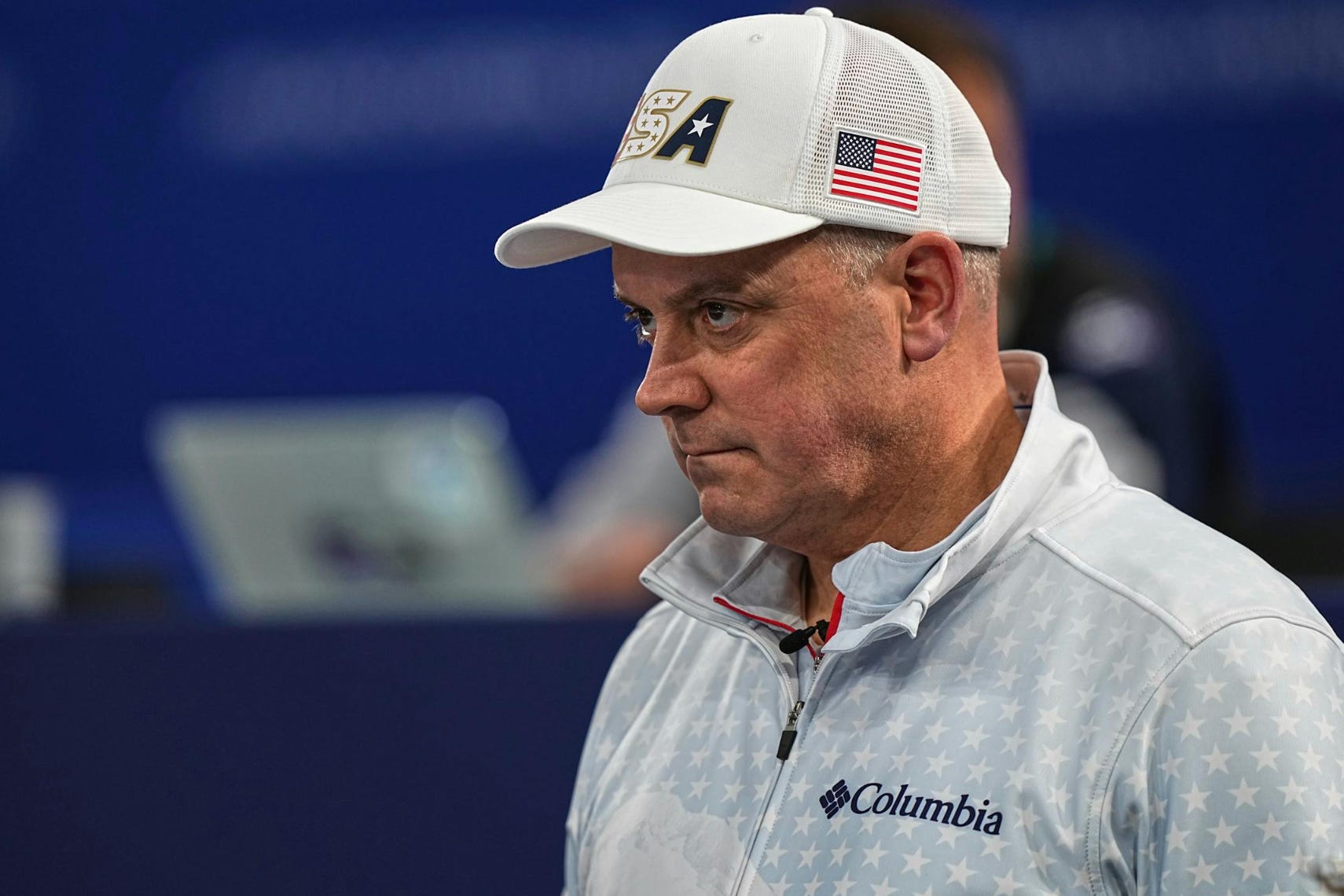
Ruohonen’s day job is a lawyer, and he used his time in the spotlight at the Olympics to speak out about what’s happening in his home state:
“We have a Constitution. It allows us freedom of the press, freedom of speech, protects us from unreasonable searches and seizures, and makes it so we have to have probable cause to be pulled over. And what’s happening in Minnesota is wrong. There’s no shades of gray.”
Thank you all for reading, and for the support and advice you continue to share with me here in Minnesota.
If you know anyone who’d like to be getting these updates, please forward this along so they can subscribe.
Yours,
Steve
I applaud the idea of bringing back teaching journalism to young people. With the increase in self proclaimed journalists simply by having a camera in their smartphone and a deranged sense of being a thought leader, it is important to separate op ed from objective reporting. We all yearn for a return to objective reporting we can count on. Just the facts. No spin or emotion. No false portrayals by omission.